




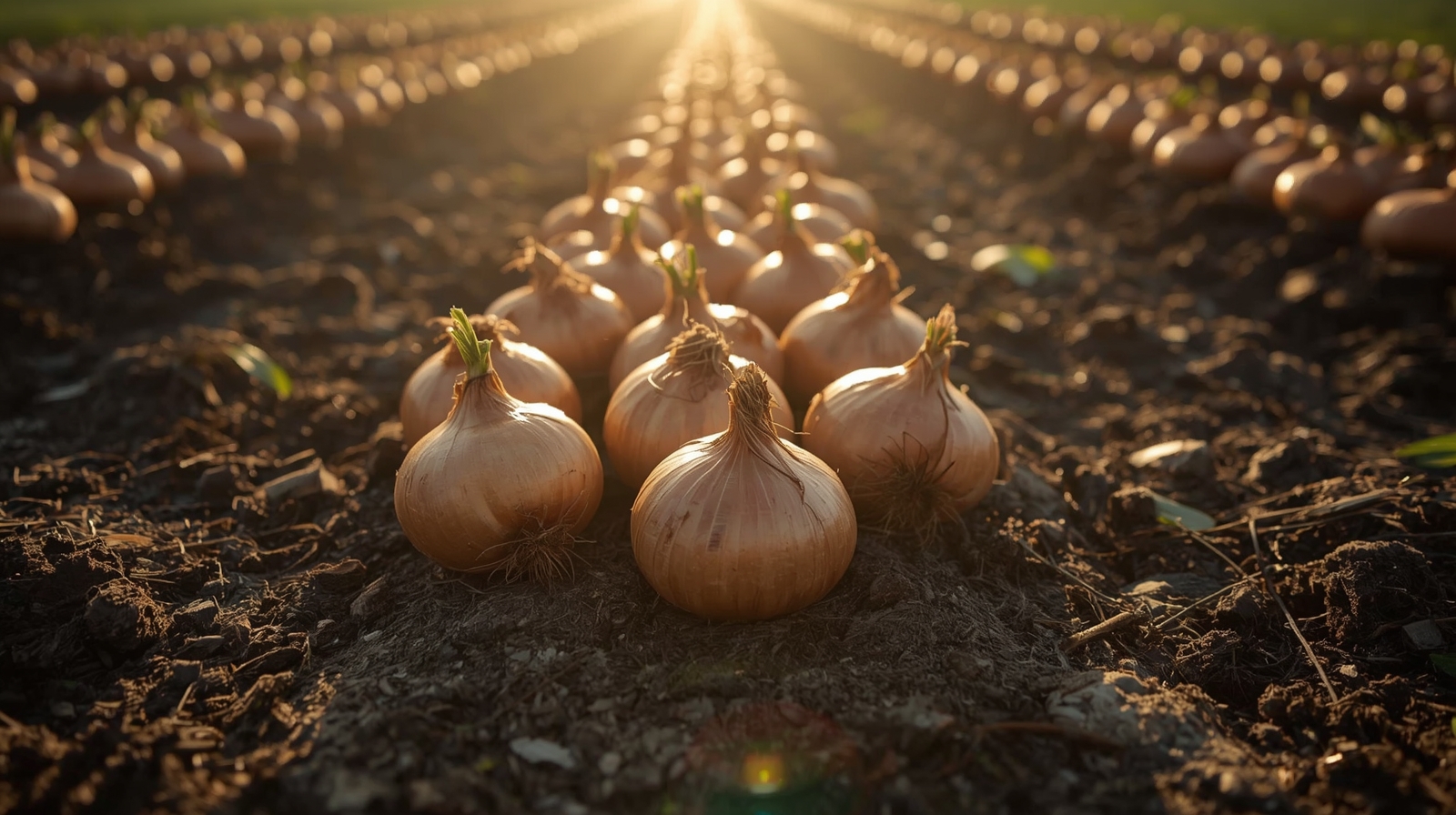
A well-managed onion field reflects strong decision-making. Uniform stands, healthy foliage, and consistent bulb development are all signs of a crop supported by a solid nutrition strategy. Beneath the surface, balanced soils and proper nutrient timing are working together to deliver a reliable, market-ready harvest.
However, not every field performs this way. Many growers face uneven growth, undersized bulbs, or inconsistent maturity. In most cases, the root cause is straightforward: an incomplete or poorly timed plant nutrition program plant nutrition in agriculture plant nutrition in agriculture (nutrición vegetal en la agricultura). Crops that receive the right nutrients at the right stages perform more uniformly, while those that do not often underdeliver.
Below is how a structured nutrition plan supports the production of high-quality onions from planting through harvest.
Why Nutrition Planning Matters in Onion Production
Onion production may appear simple, but experienced growers understand that small nutritional imbalances can quickly impact yield and quality. Common field symptoms include:
- Weak or pale foliage
- Uneven bulb sizing
- Irregular crop maturity across the field
A well-designed nutrition program helps prevent these issues by aligning nutrient availability with crop demand. The result is stronger plant development, improved uniformity, and more predictable harvest outcomes.
Consistent nutrition throughout the crop cycle ensures that onion plants receive the resources they need at each stage of growth, leading to healthier plants and improved marketable yield.
Onion Growth Stages and Nutritional Requirements
Onion crops follow a predictable growth cycle. Understanding the nutritional needs at each stage allows growers to optimize performance and minimize risk.
1. Soil Preparation Before Planting
Crop performance begins with soil quality. Poor soil balance can limit growth from the outset, regardless of later interventions. For this reason, many growers start with soil analysis to evaluate nutrient levels and organic matter content.
Key characteristics of productive soils include:
- Balanced macro- and micronutrient availability
- Adequate organic matter to support soil biology
- Good structure for root development and water movement
Investing in soil preparation reduces the likelihood of nutrient deficiencies and improves crop consistency throughout the season.
2. Early Root Development
During the initial stage, onion plants prioritize root establishment. While above-ground growth may appear minimal, strong root systems are critical for long-term performance.
Well-developed roots enable:
- Efficient water and nutrient uptake
- Greater tolerance to environmental stress
- More uniform plant development
Supporting this stage with appropriate nutrition sets the foundation for the entire crop cycle.
3. Vegetative Growth Phase
Once established, onion plants shift their focus to leaf development. Healthy foliage is essential, as leaves drive photosynthesis and energy production required for bulb formation.
Indicators of proper nutrition during this stage include:
- Steady leaf expansion
- Deep green coloration
- Uniform plant height across the field
Strong vegetative growth directly influences the size and quality of the bulbs that develop later.
4. Bulb Formation Stage
Bulb formation is the most critical phase for yield and quality. At this stage, the plant directs energy toward bulb development below the soil surface.
Balanced nutrition is essential to ensure:
- Uniform bulb sizing
- Consistent growth rates across the field
- Efficient use of accumulated plant energy
Without proper nutrient management, variability increases—leading to uneven bulb sizes and reduced market value.
5. Maturity and Post-Harvest Quality
As the crop approaches harvest, the focus shifts toward bulb finishing and storage potential. Plants that have received consistent nutrition throughout the season typically produce:
- Firmer bulbs
- Stronger outer skins
- Improved shelf life
These characteristics are essential for successful storage, transport, and commercialization.
The Role of Organic Biostimulants in Onion Nutrition
Biostimulants have become an important component of modern crop nutrition programs. Unlike conventional fertilizers, they enhance the plant’s natural ability to absorb and utilize nutrients more efficiently.
Their benefits include:
- Increased root activity
- Improved nutrient uptake
- Enhanced tolerance to environmental stress
In onion production, these advantages translate into more uniform crop development and improved overall performance, particularly under variable field conditions.
Key Takeaway
High-quality onion production is not a matter of chance—it is the result of consistent, well-managed crop nutrition. By aligning nutrient supply with crop demand at each growth stage, growers can improve plant health, increase uniformity, and achieve better yields.
A strategic approach to plant nutrition in agriculture (nutrición vegetal en la agricultura) supports onions from establishment through harvest, ensuring that final results meet both quality and market expectations.
At Fitochem, we support growers with organic fertilizers and biostimulants designed to optimize plant nutrition and promote sustainable, high-performance agriculture.