




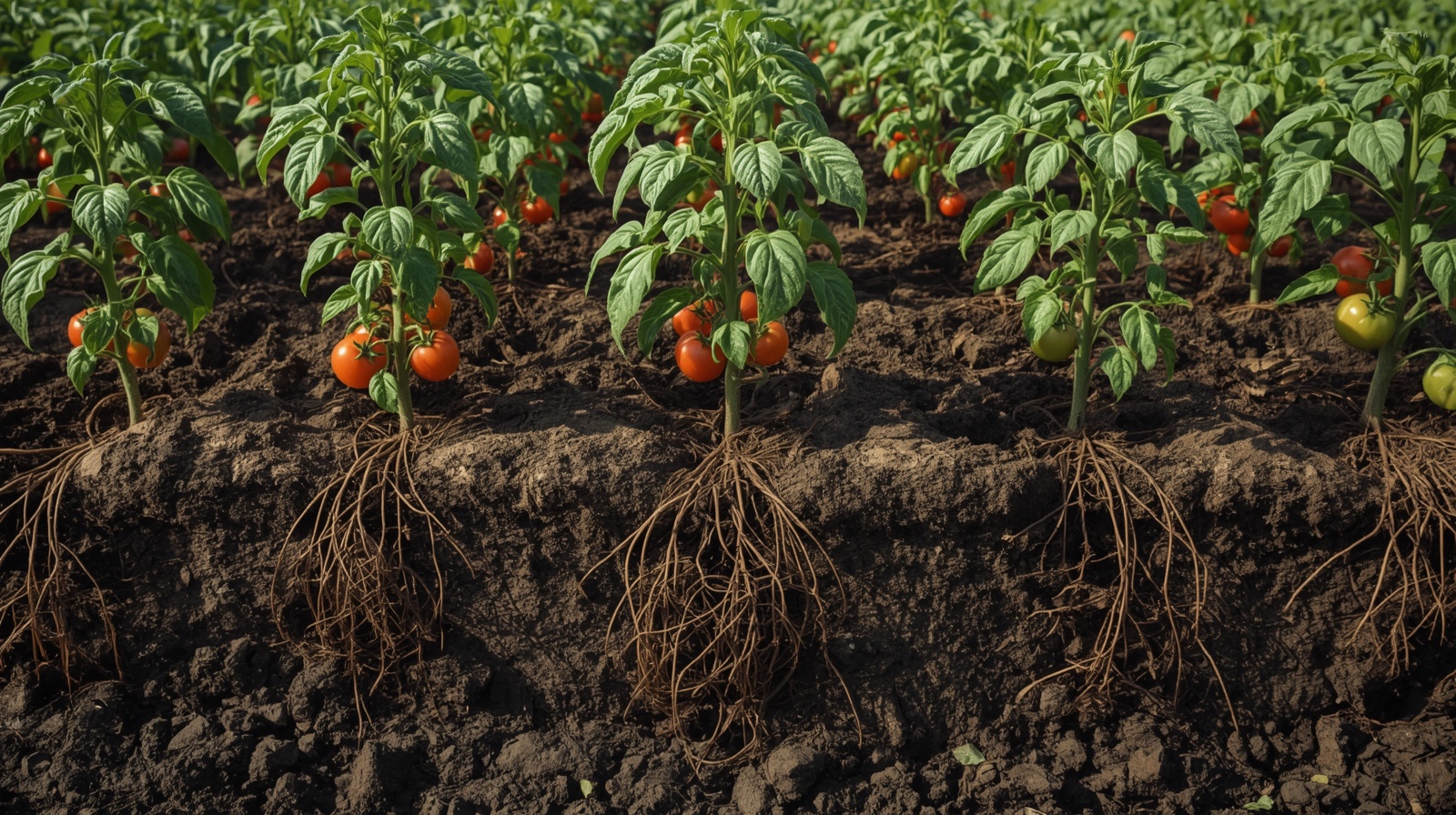
Tomato plants rely heavily on healthy soil to achieve consistent growth, strong yields, and high-quality fruit. While chemical fertilizers may deliver quick results, long-term productivity depends on maintaining soil structure, fertility, and biological activity. This is where organic fertilizers provide a significant advantage.
At first, conventional fertilizer programs may seem effective. Plants grow quickly, and production appears satisfactory. However, over time, many growers begin to notice changes in the field. Soil becomes compacted, moisture retention declines, and crops lose vigor despite increased fertilizer applications.
These issues often point to a deeper problem: declining soil health. Organic fertilizers help address this challenge by not only supplying nutrients, but also improving the soil itself.
Healthy Soil Is the Foundation of Tomato Production
Tomatoes depend on soil for nutrients, water, oxygen, and root development. When soil health deteriorates, root systems become weaker and less efficient. As a result, plant growth becomes uneven, fruit quality declines, and overall crop performance suffers.
Chemical fertilizers primarily feed the plant directly, but they do little to improve the condition of the soil. Over time, repeated use without organic matter can reduce soil structure and biological activity.
Organic fertilizers work differently. They enrich the soil while supporting the natural processes that help crops thrive season after season.
How Organic Fertilizers Improve Soil Conditions
One of the main benefits of organic fertilizers is their ability to improve soil structure. They increase organic matter content, helping soil remain loose, balanced, and easier to work with.
Improved soil structure allows tomato roots to grow deeper and spread more effectively. Strong root systems help plants access water and nutrients more efficiently, especially during periods of stress.
Organic fertilizers also improve water management in the soil. Healthy soil retains moisture longer while maintaining proper drainage, preventing conditions that are either too dry or excessively saturated. This balance is essential for consistent tomato growth and fruit development.
Over time, soils treated with organic fertilizers become more stable and productive, supporting more uniform crop performance across the field.
Steady Nutrient Release for Balanced Growth
Tomato plants require different nutrient levels throughout their growth cycle. Early stages demand support for root and leaf development, while flowering and fruiting stages require sustained nutrition for quality production.
Chemical fertilizers often release nutrients rapidly, sometimes faster than plants can absorb them. This can lead to nutrient losses through leaching and inconsistent plant development.
Organic fertilizers release nutrients gradually. This slow-release process aligns more closely with the natural growth pattern of tomato plants, providing continuous nutrition throughout the season.
As a result, plants maintain steady growth without excessive vegetative development or nutrient stress. This balanced nutrition contributes to healthier plants and more consistent yields.
Strong Roots Support Healthier Plants
Healthy roots are essential for strong tomato production. In well-balanced soils, roots grow deeper and spread more effectively rather than remaining near the surface.
A stronger root system improves the plant’s ability to tolerate changing weather conditions, temporary water stress, and nutrient fluctuations. Plants develop stronger stems, healthier foliage, and more uniform growth.
Much of the plant’s performance above ground begins below the surface. When roots develop properly, the entire crop benefits.
Improved Fruit Quality and Yield
The benefits of healthy soil become especially noticeable at harvest time. Organic fertilizer programs often contribute to:
- More uniform fruit size and color
- Improved flavor and appearance
- Reduced variability between plants
- More consistent crop development
- Reliable yields with improved quality
Uniform growth across the field not only improves marketability but also helps growers manage harvests more efficiently.
Supporting Soil Biology Naturally
Soil is more than just a growing medium. It contains millions of beneficial microorganisms that help break down nutrients into forms plants can absorb.
Organic fertilizers help support this biological activity by providing organic matter and creating better conditions for soil microorganisms to thrive.
As microbial activity increases, soil fertility improves naturally over time. This creates a healthier and more balanced growing environment while reducing dependence on excessive external inputs.
The long-term value of organic fertilizers lies not only in feeding the crop, but also in building a living soil system that continues to support plant growth season after season.
Conclusion
Successful tomato production starts with healthy soil. When soil conditions improve, root systems become stronger, plant growth becomes more consistent, and fruit quality improves naturally.
At Fitochem, we believe sustainable productivity begins from the ground up. Rather than focusing only on short-term results, we focus on supporting long-term soil health and balanced plant development.
By investing in healthier soils today, growers can achieve stronger crops, improved yields, and more reliable tomato production over time.