




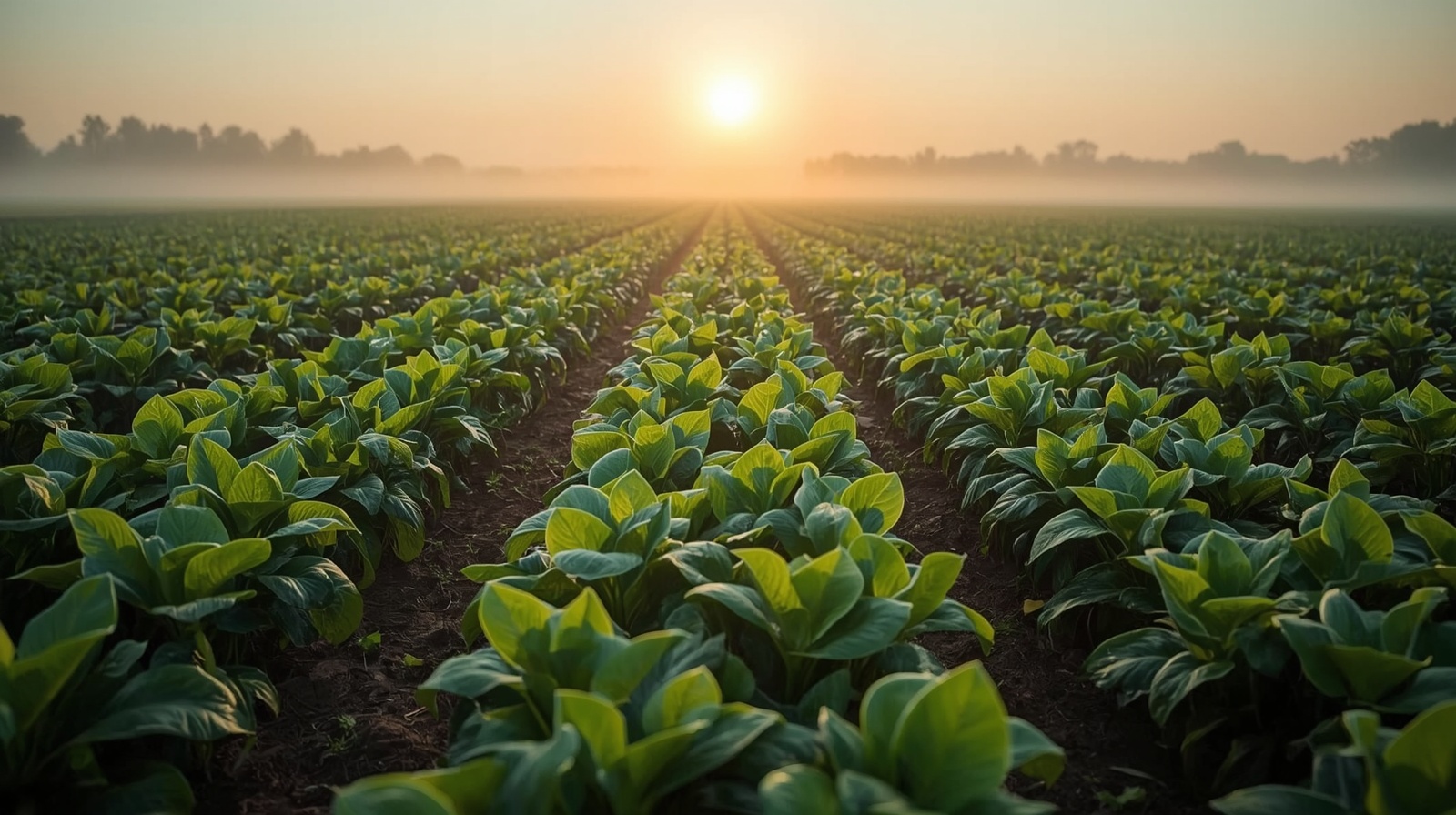
Applying biostimulants at the wrong time can limit their effectiveness. Many growers experience this each season when crops appear healthy one week and sluggish the next.
A biostimulant for plants delivers the best results when applied at the correct growth stage. Early applications support root establishment, mid-season treatments strengthen vegetative growth, and later applications help improve flowering, fruiting, and crop uniformity. Poor timing, however, can lead to uneven development andfficient use across the field.
Understanding when to apply biostimulants is essential for maintaining healthy, consistent plant growth throughout the season.
Why Timing Matters for Biostimulants
Early vs. Late Application
Applying biostimulants too early may overwhelm young seedlings before they can fully absorb or utilize the nutrients and compounds provided. On the other hand, late applications may have limited impact once flowering, fruiting, or bulb development is already underway.
When timing is not aligned with plant development, growers may notice:
- Uneven crop growth
- Reduced vigor
- Lower yield potential
- Inconsistent crop quality
Matching Biostimulants to Plant Needs
The most effective strategy is to align biostimulant applications with the plant’specificfic growth stage and physiological needs.
- Early growth: Support root and shoot development
- Vegetative stage: Improve energy production and stress tolerance
- Flowering and fruiting: Enhance reproductive performance and crop uniformity
Proper timing promotes stronger, more uniform fields and helps plants perform more consistently under changing conditions.
Key Growth Stages and Biostimulant Application
Seedling and Early Growth Stage
Focus: Root establishment and early vigor
Strong early development sets the foundation for the entire season. Applying biostimulants during this stage encourages healthy root growth, helping plants access water and nutrients more efficiently. Healthy roots also support stronger stems and leaf development as the crop matures.
Recommended Types: Humic substances and amino acids
These biostimulants are quickly absorbed and help support early plant metabolism and establishment.
Application Tip:
Apply during soil preparation or the first irrigation for best results.
Vegetative Growth Stage
Focus: Leaf development, stem strength, and photosynthesis efficiency
During vegetative growth, plants require strong foliage and structural development to maximize energy production. Well-timed biostimulant applications help support chlorophyll activity, nutrient uptake, and overall plant vigor.
Application Tip: Foliar sprays are highly effective during this stage because nutrients and active compounds are rapidly absorbed through the leaves.
Benefits may include:
- Improved leaf development
- Stronger stems
- More uniform crop growth
- Better stress management
Flowering and Fruiting Stage
Focus: Flower development, fruit set, and crop uniformity
This is one of the most critical stages in crop production. Applying biostimulants before and during flowering helps plants direct energy toward bloom formation, fruit set, and reproductive development.
Timing: Apply just before flowering and continue through early fruit development as needed.
Additional Benefit: Improved stress tolerance
During this stage, crops are more vulnerable to heat, drought, and environmental stress. Biostimulants can help plants maintain physiological balance and support consistent fruit and flower development under challenging conditions.
Pre-Harvest Stage
Focus: Final quality, size, and shelf life
As crops approach harvest, carefully timed applications can help improve final crop quality and consistency.
Recommended Types: Potassium and seaweed-based biostimulants
These treatments may support:
- Improved crop size
- Better uniformity
- Enhanced shelf life and post-harvest quality
Application Tip:
Avoid over-application. Light, targeted treatments are generally more effective than excessive dosing at this stage.
Signs Your Crop May Benefit From Biostimulants
Crops often show visible signs when additional support is needed.
Common indicators include:
- Uneven growth across the field
- Stunted development
- Pale or yellowing leaves
- Weak vegetative growth
- Slow flowering or poor fruit set
- Delayed recovery after environmental stress
Weather stress, nutrient imbalance, and inconsistent growth conditions can all reduce plant performance. Biostimulants may help crops recover balance and maintain healthier development throughout the season.
Best Practices for Applying Biostimulants
Successful biostimulant programs depend more on precision than quantity.
Follow Plant Development, Not Just the Calendar
Growth stages provide better guidance than fixed application dates. Monitor crop development closely to determine the most effective timing.
Combine With a Balanced Nutrition Program
Biostimulants work best when integrated with a proper fertilizer and crop management strategy.
Apply Consistently and in Moderate Amounts
Smaller, well-timed applications often deliver better results than heavy doses.
Observe Crop Response
Minor changes in plant color, vigor, or growth patterns can help guide future applications and improve seasonal management decisions.
Final Note
Healthy crops begin with careful observation and timelyely action. When biostimulants are applied at the right growth stage, crops often respond with stronger development, improved uniformity, and more consistent performance throughout the season.
If you are looking to improve crop balance and field consistency, FITOCHEM offers biostimulant solutions designed to support healthy and productive plant growth.