




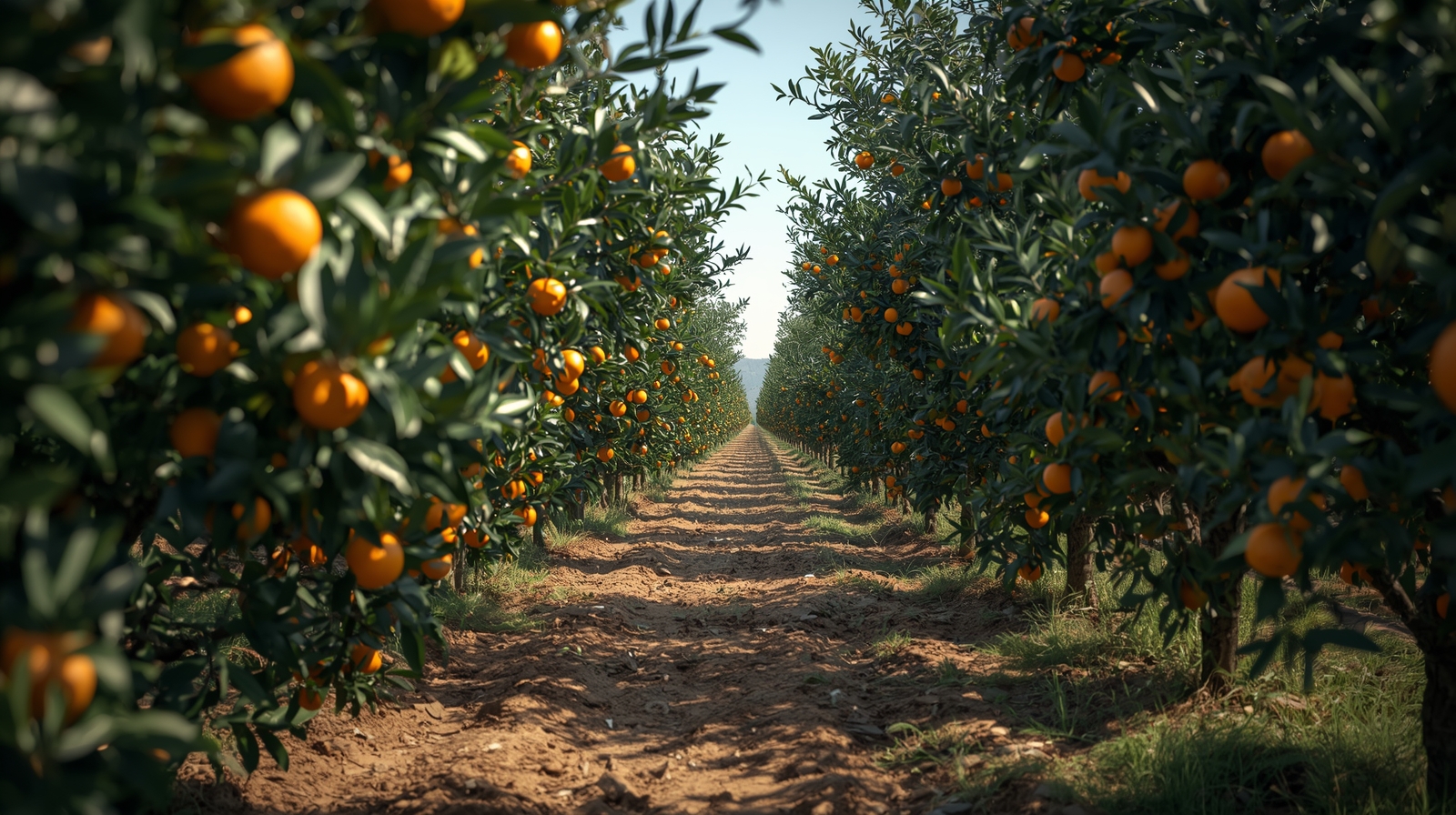
Walk through any citrus orchard and the difference becomes clear almost immediately. Trees that appear similar can produce very different results. Some deliver bright, firm fruit that meets market standards. Others fall short in size, flavor, or consistency. In most cases, the reason lies below the surface.
Consistent harvest quality starts with consistent soil nutrition. When the soil is out of balance, fruit performance usually reflects it. This is where plant nutrition in agriculture plays its role—quietly and continuously—supporting the crop throughout the season.
Below, we break down how soil care directly influences citrus performance in real growing conditions and how growers can improve harvest quality through smarter, long-term nutrition strategies.
What Citrus Trees Take From the Soil
Nitrogen for Balanced Growth
Nitrogen is essential for steady vegetative growth and overall tree vigor. When levels are too low, growth slows and leaf development weakens. When nitrogen is overapplied, trees often produce excessive foliage at the expense of fruit set and quality. This imbalance is common when plant nutrition becomes a numbers game rather than a strategy focused on equilibrium.
Potassium for Fruit Size and Quality
Potassium plays a central role in fruit development. It supports proper sizing, improves juice content, and contributes to uniform color and peel quality. Deficiencies often show up at harvest as small fruit with poor coloration—issues that directly affect market value.
Calcium for Firmness and Shelf Life
Calcium works behind the scenes, strengthening cell walls and helping fruit maintain firmness. Calcium-related problems usually appear later, during storage or transport, when fruit softens prematurely. At that stage, correction is no longer possible, making proactive soil management essential.
Micronutrients for Color and Physiological Balance
Micronutrients such as iron, zinc, and magnesium may be required in smaller quantities, but their impact is significant. Iron supports chlorophyll production, zinc influences flowering and uniform growth, and magnesium drives photosynthesis. Neglecting these elements can disrupt the entire nutritional system. Effective plant nutrition depends on managing both macro- and micronutrients together.
How Soil Health Impacts Citrus Growth
Roots Set the Foundation
Healthy citrus production always begins underground. Roots are responsible for water and nutrient uptake, and their condition determines how efficiently the tree functions. In well-managed soils, roots spread easily and remain active. In compacted or depleted soils, even the best fertilizer program underperforms. Symptoms such as pale leaves, uneven fruit set, and reduced vigor often appear long before serious damage is recognized.
Soil Biology Makes a Difference
Organic matter and microbial activity are not just technical concepts—they are practical tools. Living soils function more efficiently. Organic material improves structure and moisture retention, while beneficial microorganisms convert nutrients into plant-available forms. This creates a steady nutrient supply and reduces extreme fluctuations during the season.
Healthy Soil Helps Trees Manage Stress
Well-structured, biologically active soils buffer citrus trees against stress from heat, drought, or heavy fruit loads. Water movement becomes more uniform, nutrients remain available longer, and roots stay functional under pressure. Over time, trees grown in healthy soils recover faster and maintain fruit quality with fewer corrective interventions.
What growers see above ground—leaf color, fruit size, canopy balance—is often a direct reflection of what is happening in the soil.
Practical Ways to Improve Soil Nutrition in Citrus Orchards
Apply Nutrients at the Right Time
Citrus trees have changing nutritional needs throughout the season. Early growth benefits from nitrogen to support shoots and leaves. During flowering and fruit set, phosphorus and potassium become more critical. Later in the season, targeted micronutrient applications help improve color and flavor. Proper timing maximizes efficiency and prevents excess accumulation in the soil.
Incorporate Organic Inputs
Organic matter is a long-term investment in soil performance. Compost, well-decomposed manure, and biostimulants improve soil structure, support microbial activity, and enhance water retention. These inputs do more than supply nutrients—they build resilience into the production system.
Use Soil Conditioners Strategically
Soil conditioners such as gypsum or lime help manage pH and improve nutrient availability. Maintaining balanced pH levels allows citrus trees to absorb calcium, magnesium, and other key elements more efficiently. Gradual applications give the soil time to adjust without stressing the crop.
Observe, Measure, and Adjust
Regular observation is essential. Leaf color, growth patterns, and fruit development provide valuable feedback. Small, informed adjustments based on soil and plant response are far more effective than aggressive, one-time corrections.
Final Thoughts
Better citrus harvests are the result of long-term commitment, not quick fixes. Consistent improvements in soil nutrition—balanced fertilization, organic matter management, and careful observation—add up over time. Healthy soil supports strong roots, improves stress tolerance, and leads to more reliable yields and better-quality fruit season after season.
At Fitochem, we support growers with advanced plant nutrition solutions and technical guidance designed to keep soils productive and citrus trees performing at their best—helping ensure that each harvest is stronger than the last.