




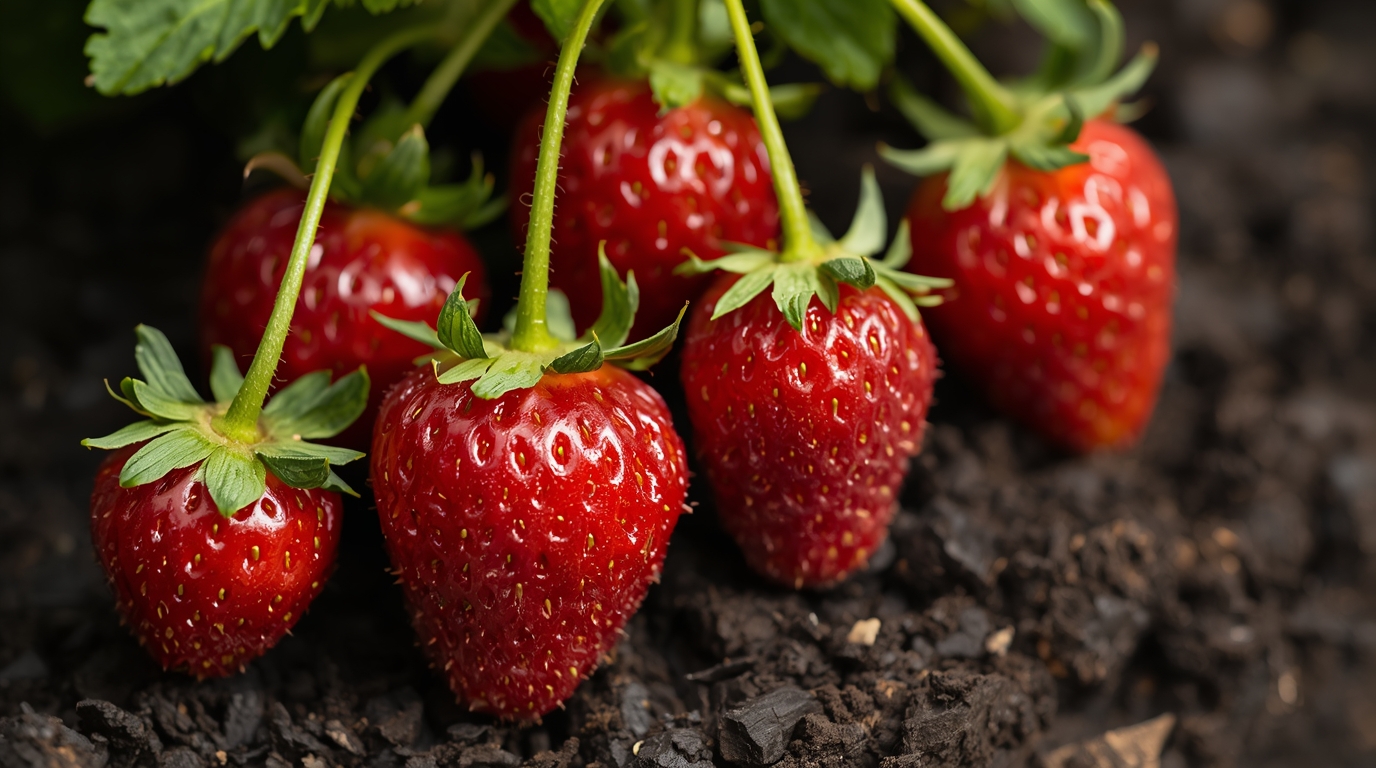
Bite into a strawberry, and it’s a gamble. Sometimes you get lucky—sweet, juicy, full of real flavor. Other times, it’s bland and watery. The difference? Not luck, not variety—it’s what the plant’s been “eating.”
Farmers often chase higher yields—and that makes sense. More fruit means more income. But there’s no glory in a huge harvest of tasteless tomatoes. Consumers want produce that looks fresh, tastes great, and stays that way beyond a single day.
The real secret? Plant nutrition.
The way a plant is fed affects everything—flavor, color, texture, shelf life, and nutritional value. It’s not just about how much you grow, but how good your crop actually is. That’s what keeps customers coming back.
What Is Plant Nutrition?
Think of it as a meal plan for plants. Instead of carbs or protein, they need a balanced diet of minerals and nutrients. The major ones—nitrogen (N), phosphorus (P), potassium (K), calcium (Ca), magnesium (Mg), and sulfur (S)—form the backbone. Then come the micronutrients—zinc, iron, boron, manganese, copper—small in quantity but vital in effect.
Get the balance wrong, and plants let you know:
- Too much nitrogen? Watery, flavorless fruit.
- Low calcium? Apples turn soft and lose crunch.
- Not enough potassium? Kiss that natural sweetness goodbye.
Smart growers know that the right mix, at the right time, transforms crops into something consumers actually crave.
How Nutrition Affects Taste, Texture, and Appearance
Nutrients aren’t just fuel; they’re flavor builders. Here’s how they work their magic:
- Potassium – Enhances sweetness and boosts color intensity.
- Sulfur – Responsible for the bold taste of onions and garlic.
- Nitrogen – In moderation, builds proteins; in excess, dulls flavor.
- Calcium – Keeps apples crisp and lettuce crunchy.
Flavor is chemistry—and nutrition writes the recipe.
Visual appeal matters, too. Consumers “eat with their eyes.” Vibrant peppers, deep-green lettuce, and golden bananas owe their looks to magnesium and potassium. When nutrients are off, crops lose their shine and market value.
Texture follows the same rule. Nobody wants soft cucumbers or soggy tomatoes. Adequate calcium keeps cell walls strong, preserving firmness and juiciness.
And shelf life? Balanced nutrition extends it. Calcium tightens cell structures, potassium regulates water balance, and micronutrients like zinc and copper boost stress resistance—helping produce stay fresher, longer.
The Quick Nutrient Cheat Sheet
Nutrient | Key Benefit | Watch Out For |
Nitrogen (N) | Promotes growth | Too much = bland flavor |
Phosphorus (P) | Strong roots, fruit set | Low levels = poor flowering |
Potassium (K) | Flavor, color, resilience | Deficiency = weak taste |
Calcium (Ca) | Firmness, shelf life | Deficiency = soft texture |
Magnesium (Mg) | Photosynthesis, color | Low Mg = dull appearance |
Micronutrients | Enzyme activity, stress tolerance | Neglect = weak performance |
Soil: The Foundation of Flavor
None of this works if the soil isn’t right. Soil is the plant’s pantry—and if it’s empty, even the best fertilizer won’t help.
Healthy soil, rich in organic matter, biostimulants, and fulvic acids, makes nutrients more available and helps roots absorb them efficiently. It also buffers plants against heat, drought, and stress.
And let’s not forget residues. Consumers don’t want a side of chemicals with their salad. Using OMRI-certified, organic inputs ensures clean, safe, and trustworthy produce—something modern buyers truly care about.
Beyond Taste: The Bigger Payoff
Optimized nutrition doesn’t just make food taste better. It builds a stronger, more sustainable food system.
- Crops gain higher vitamin and mineral content (think zinc-rich wheat or calcium-strong lettuce).
- Fertilizer efficiency improves, reducing environmental impact.
- Quality improves—and quality sells.
Consumers are willing to pay more for produce that looks and tastes superior.
Why It Matters Now
Food is no longer just about calories—it’s about experience, health, and sustainability. People want food that tastes like food, grown in a way that doesn’t harm the planet.
Plant nutrition is the hidden driver behind that ideal: healthier soils, stronger plants, and crops that deliver real flavor and longevity.
The FITOCHEM Approach
At CAROLA, we take plant nutrition seriously. Our organic, OMRI-certified fertilizers and biostimulants strengthen soil health, enhance nutrient uptake, and naturally boost flavor, color, and shelf life.
The result?
- Stronger, more resilient plants.
- Tastier, longer-lasting produce.
- Better returns for growers and satisfaction for consumers.
Because when you feed the plant right, everyone tastes the difference.