




Pros and Cons of Organic Fertilizers
Soil will not complain directly, but you will definitely see the changes. Plants do not grow the same; some areas perform better than others, and yields can feel unpredictable. These small signs usually point to one issue—your soil isn’t as balanced as it used to be.
This is where organic fertilization comes into the picture. It’s less about quick results and more about fixing the base. The idea is simple: to improve the soil slowly so it can support crops properly again. It takes a bit of time, but the results tend to show the real advantage of fertilizer in the long run.
What Organic Fertilizers Do and the Advantages of Using Them in the Field
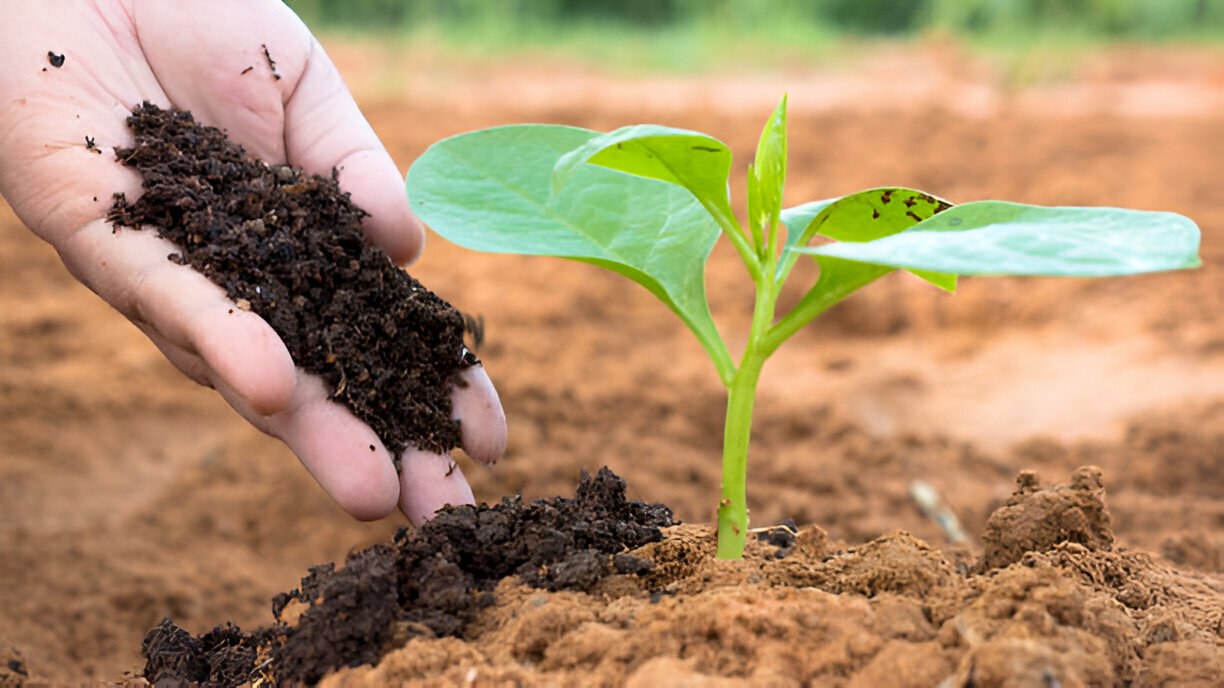
Organic fertilizers are something that might take time, but eventually beneficial for the soil. Plant residue, manure, and compost are generally the natural materials used to make organic fertilizers.
Now, about how they work, they do not just push plants to grow. They take their time and give space to plants to grow as they are helping the soil to recover. This might not give instant results, but in the long run, it shows a difference.
You’ll usually see them in a few common forms:
Compost: Add organic matter to the soil, which helps in loosening up a bit. Compost is usually made from decomposed kitchen and plant waste.
Manure: Widely used to fill up the nutrient space in the soil. It is sourced from the animal excreta, such as horses, cows, and chickens.
Blood meal and bone meal: Best for filling up the requirement of nitrogen and phosphorus.
Fish emulsion: Offering nitrogen and other vital nutrients, a liquid concoction derived from fish remnants.
Seaweed extract: Trace nutrients in liquid form are used for the overall plant health. Usually used in small amounts.
Cover crops: Naturally improve soil with cover crops. Just plant them with planning in between the crops.
What You Start to Notice When You Use Organic Fertilizers
Overnight results, not with organic fertilizers. This is not their disadvantage, yet this is the quality that lets them work better over time. Improve the soil little by little by unlocking lots of benefits directly beneath the soil. Soil feels easier to manage, and crops start responding more evenly, after a few cycles.
Soil Enrichment:
The soil begins to loosen up and hold moisture better with regular use. Roots can spread more freely, as it does not dry out as quickly. During planting, the soil also becomes easier to work with. You will start noticing it with time and cycles.
Better for the Environment:
There is no threat of leaving anything harmful to the environment with organic fertilizers. As the organic fertilizers are made from natural sources. They break down in the soil to support the soil improvement.
Works with Natural Processes:
Organic fertilizers don’t force sudden changes. They follow a slower pattern, supporting how the soil naturally functions and helping plants grow in a steadier way.
Cost-Effectiveness:
Over time, healthier soil often needs fewer repeated inputs. That can reduce how often fertilizers are applied, which helps manage overall costs.
Safety:
They are generally safer to handle and use. With proper application, there is less risk for people, animals, and the surrounding environment.
What Challenges Can Feel a Bit Different at First
A few things will definitely catch your attention, even in the beginning. When you switch to organic fertilizers, it does not feel the same right away, but making a switch is not difficult.
Slow Release:
Quick results are not the thing with organic fertilizers. If you are expecting fast results in plant growth, this can be a little frustrating. But slow progress means improvement to the core.
Bulkiness:
Compared to lighter package options, moving or applying them takes a lot of effort. Packaging of organic fertilizers can be less convenient and a bit heavier to handle.
Learning Curve:
It is a handy job, as it takes a little time to figure out things. From soil condition to timing and application, you need to notice everything before jumping to application. But once everything is sorted, you win.
Why Go With Organic Fertilizers
It takes time with organic fertilizers; the soil gradually improves and becomes easier to manage. Once that happens, crop growth feels more stable across seasons. That’s why many stick with it. Products from Fitochem are built around this approach—working with the soil slowly, so the results don’t fade quickly.
A Final Thought
Organic fertilizers aren’t about quick wins. The way they improve the soil tends to last longer, but it might test a bit of patience. After a few cycles, things usually start to feel more stable—less guesswork, more consistency.
For those exploring this approach, Fitochem offers options designed to work with the soil rather than against it. The results are easier to maintain and manage over time, once it settles everything.
For any inquiries or assistance, feel free to contact us through our contact page.
Answers to Common Questions
How do natural fertilizers actually improve soil?
With regular use, organic matter increases, which improves how the soil holds water and supports plant growth. They help in improving soil, not just feed plants.
Why do many growers prefer organic fertilizers?
It usually comes down to long-term results. Organic fertilizers help keep the soil in better shape, which makes crop performance more consistent over time.
Do they help reduce pollution?
Yes, to an extent. Because they break down naturally, there’s less risk of harmful runoff compared to some synthetic options.
What about soil life and biodiversity?
Organic inputs support beneficial organisms in the soil. These help break down nutrients and keep the soil functioning in a more balanced way.
Are organic fertilizers enough on their own?
In many cases, yes. They work well as a primary nutrient source. But depending on the soil and crop, some adjustments may still be needed.