




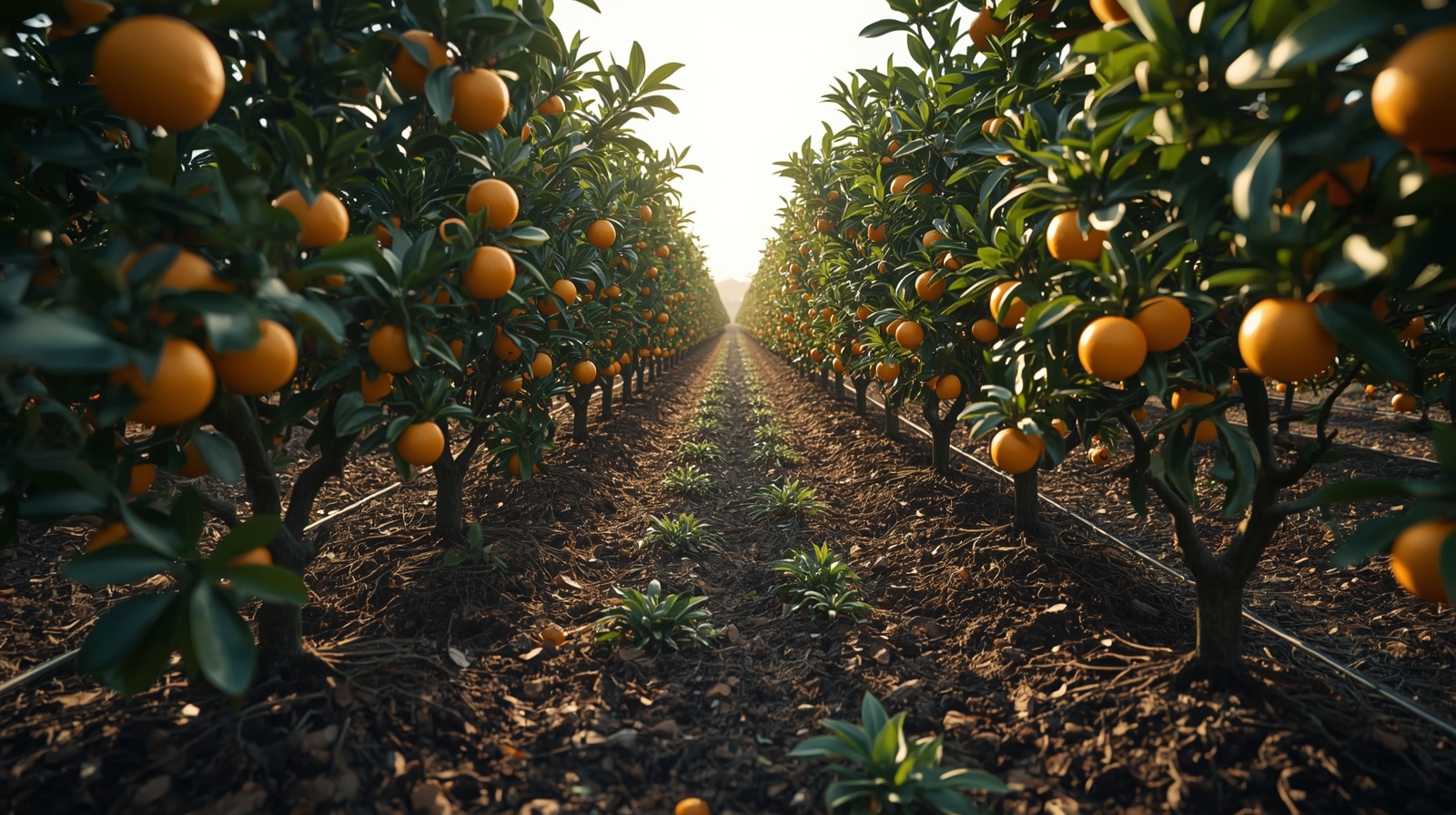
Modern citrus farming involves far more than irrigation and fertilization alone. Growers today face a wide range of challenges, from unpredictable weather patterns and declining soil performance to inconsistent fruit quality and rising production pressures.
Many citrus producers are beginning to notice signs of soil fatigue after years of intensive chemical use. Over time, orchards may experience reduced biological activity, weaker root systems, inconsistent tree performance, and less reliable yields. Fruit quality can also decline, affecting size, color, and overall market value.
As a result, more growers are adopting long-term farming strategies focused on maintaining orchard productivity while protecting soil health. OMRI-listed agricultural inputs have become an important part of this approach because they help support both the soil ecosystem and crop performance simultaneously.
What Sustainable Citrus Yield Management Means
Yield management is often associated only with increasing production. However, successful citrus farming depends on much more than high harvest volumes.
Sustainable citrus production is built on consistency. Growers want orchards that remain productive year after year without exhausting the soil or stressing the trees after heavy production cycles. In addition to maintaining yields, farmers also seek consistent fruit size, color, flavor, and quality.
Sustainable citrus yield management focuses on creating balanced growing conditions by strengthening soil health and supporting natural biological processes rather than relying solely on aggressive chemical inputs.
This approach typically includes:
- Maintaining soil fertility.
- Supporting healthy root development.
- Improving nutrient availability and movement within the soil.
- Helping trees tolerate environmental stress.
- Promoting stable yields over time.
In many ways, sustainable farming is about protecting the long-term productivity of the orchard rather than pursuing short-term results alone.
Why OMRI-Listed Agricultural Inputs Matter
Citrus growers are increasingly recognizing that orchard performance begins in the soil. Healthy soils support stronger trees, improved nutrient uptake, and more stable production.
OMRI stands for the Organic Materials Review Institute, an organization that evaluates agricultural products for compliance with organic farming standards. When a product is OMRI-listed, growers can be confident that it meets accepted organic production guidelines.
This distinction is particularly important in citrus farming. While some conventional inputs may provide rapid short-term responses, repeated use over time can contribute to soil imbalance, reduced microbial activity, and declining soil quality.
OMRI-listed products are valued because they support soil health more naturally while improving nutrient efficiency and maintaining long-term orchard sustainability.
How OMRI-Listed Inputs Support Citrus Yield Stability
Healthy citrus production starts with biologically active soil. When soil health declines, nutrient movement becomes less efficient, root systems weaken, and tree performance often becomes inconsistent.
Many OMRI-listed agricultural inputs help improve natural soil activity by supporting beneficial microorganisms that assist in releasing nutrients into forms more readily absorbed by citrus trees.
A healthier soil environment also promotes stronger root development, which helps trees perform better under stressful conditions such as drought, heat, or sudden weather fluctuations.
Many citrus growers use OMRI products to help support:
- Improved nutrient absorption.
- Stronger fruit development.
- Reduced plant stress.
- More uniform fruit sizing.
- Better fruit retention before harvest.
Growers frequently observe improvements in overall fruit quality as orchard conditions become more balanced. Healthier trees often produce more consistent fruit development throughout the season.
The objective is not simply achieving one heavy harvest, but maintaining productive orchards season after season without gradually depleting soil health.
Practical Applications of OMRI Products in Citrus Orchards
OMRI-listed agricultural inputs are commonly integrated throughout the entire citrus production cycle. Growers often combine multiple products depending on orchard conditions and crop requirements at different growth stages.
Some inputs are applied before planting to improve soil structure and biological activity. Others are used during active growth periods to strengthen root systems and improve nutrient uptake. During flowering and fruit development, organic nutritional products may help trees better tolerate environmental stress.
Many growers also incorporate OMRI-listed pest management products into their production programs to reduce excessive chemical pressure on the orchard ecosystem.
Even after harvest, citrus orchards require continued recovery and nutritional support to maintain long-term productivity.
For this reason, OMRI products are often viewed as long-term tools for orchard sustainability rather than short-term solutions.
Supporting Long-Term Sustainability in Citrus Farming
Citrus orchards can only withstand continuous production pressure for so long before signs of soil stress begin to appear. Once soil health declines, growers often face additional challenges, including weaker nutrient uptake, lower tree vigor, and increasing production costs.
OMRI-listed agricultural inputs are commonly used as part of sustainable management programs because they help support the soil system rather than continuously forcing production through intensive chemical use.
These products may help:
- Preserve soil quality.
- Support natural nutrient cycling.
- Improve moisture retention.
- Encourage beneficial microbial activity.
- Reduce overreliance on synthetic chemicals.
Today, more citrus growers are taking a long-term view of orchard management. Sustainability is no longer only about environmental responsibility — it is also about maintaining reliable production and protecting orchard performance for future seasons.
Wrap Up
Citrus growers today are looking beyond the next harvest and focusing on farming strategies that help maintain orchard productivity over the long term. Using OMRI-listed agricultural inputs is one way many producers are working toward healthier soils, stronger trees, and more sustainable production systems.
At Fitochem, we believe balanced plant nutrition and improved soil conditions play a critical role in long-term orchard success. Sustainable citrus yield management does not have to be complicated. It starts with providing trees and soil with the support they need to remain productive, resilient, and healthy season after season.